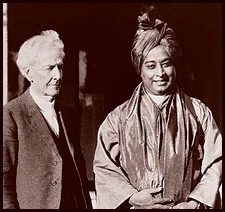
The mind is purified by cultivating thoughts and feelings of friendship for others, compassion for those who are suffering, happiness for the well-being that others enjoy, and dispassion regarding bad behavior. ~The Yoga Sutras of Patanjali 1:33
The Yoga Sutras of Patanjali is an ancient text that give us guidance on meditation and ethical living. The word sutra comes from the same root as the word thread.
A calm and peaceful mind is cultivated by how we interact in the world, going hand in hand with our meditation practice. When encountering people who are happy, be friendly and supportive. To those who are suffering, cultivate compassion, rather than being annoyed or afraid. Be happy for those who have fortunate circumstances rather than being jealous of them. Disregard disturbing circumstances, rather than becoming upset by them. Do what you can to respond appropriately, but don't let the circumstance disturb your peace.
When the mind is singularly concentrated in meditation, all distractions are arrested. But until such interiorization is mastered, the devotee must persistently practice mind control; and he/she should also take common sense measures to eliminate, or at least minimize, invasive external stimuli. ~ Paramahansa Yogananda
We should choose a clean quiet place to meditate so that we are not disturbed. But more importantly, we should bring all our attention to a focal point, such as the breath. This persistent and intense concentration captivates the mind and over time will make it our willing helper, rather than the inner critic it can become without mindful control. The goal of effortless freedom is gradually earned by consistent, joyful discipline.
What seems to be a mysterious force that compels us to act against our own will is only the force of habit patterns—the influence of mental impressions based on past experience. When impressions are cleared from the mental field by superconscious meditation, spontaneous right action becomes possible.– Ellen Grace O'Brian
If we are compelled to actions or thoughts that are against our will, those reactions are only habits and we can change habits. That's good news! The Yoga Sutra of Patanjali is a seminal scriptural text on meditation and ethical living. It tells us that habits are impressions in the mind, like ruts in a muddy road. Those ruts can be filled by our regular practice of superconscious meditation. Superconscious means beyond our normal waking conscious state. It is those moments we have in meditation where we feel a peacefulness, a calmness, a feeling of being in the moment. All of those moments add up and can weaken and eliminate the impressions. This is how meditation can affect our everyday life and allow us to make the right choices.
By the practice of meditation, you will find that you are carrying within your heart a portable paradise. – Paramahansa Yogananda
Our true inner nature is bliss as is reflected in the name given to this great spiritual teacher; ananda means bliss. At first we get brief glimpses of inner happiness during our daily meditation practice. As we continue and lengthen our time of meditation on a daily basis, this inner contentment is accessible during more and more of each day. We come to realize that this bliss is our very nature and that it overshadows any outer source of happiness. Paradoxically, this makes it easier to be successful in a world we find increasingly supportive of our worthy goals.